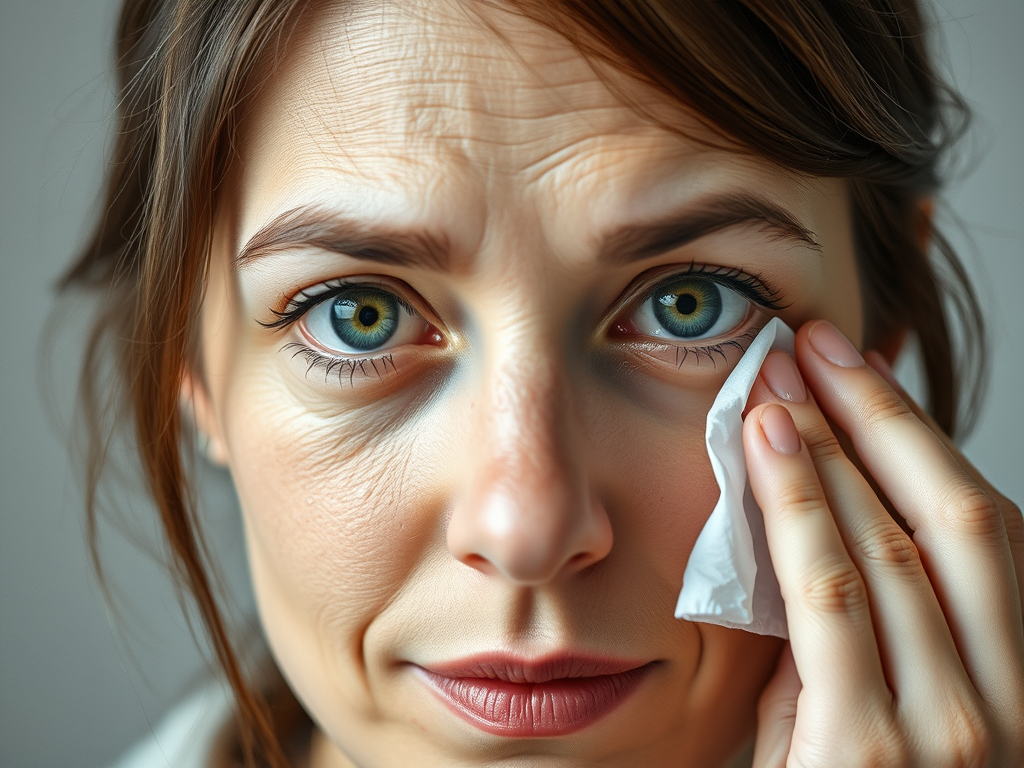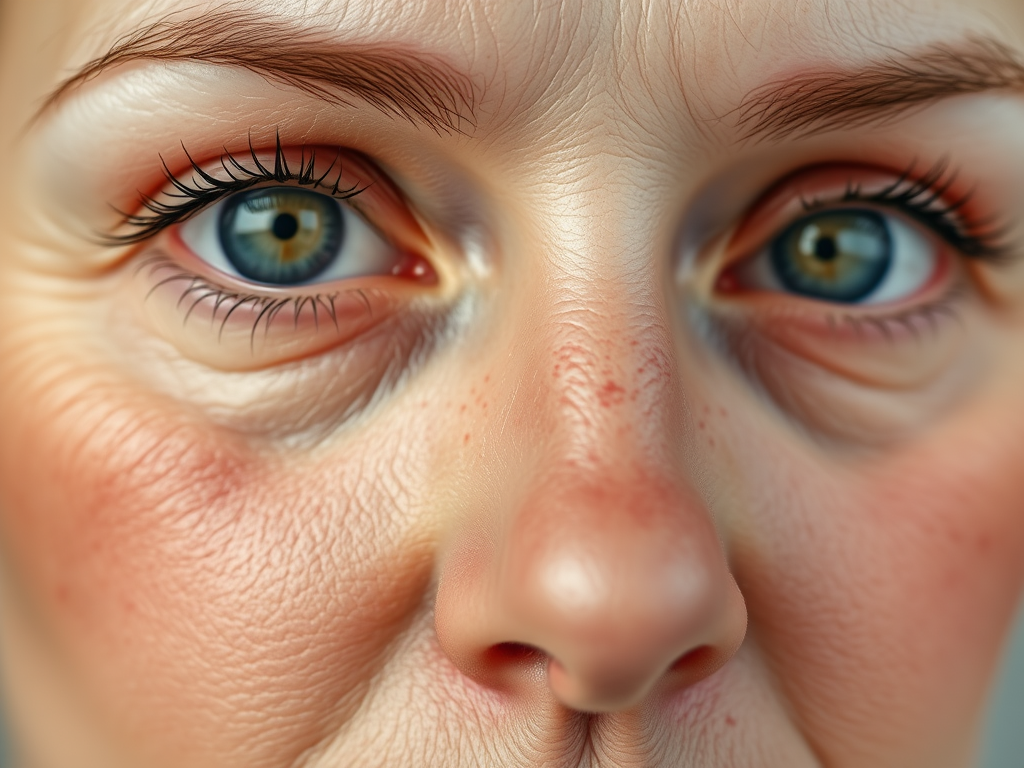
Facial redness may be the clue — but the eyes often suffer first.
Rosacea is commonly thought of as a skin condition, yet for many patients, the eyes are affected long before facial symptoms become obvious.
This overlap explains why so many people with persistent dry eye struggle for years before receiving a clear diagnosis.
Ocular Rosacea Is Common — and Often Missed
Ocular rosacea can present with:
- Burning or stinging eyes
- Chronic redness
- Grittiness or foreign body sensation
- Recurrent styes or chalazia
- Light sensitivity
- Fluctuating vision
These symptoms closely mimic traditional dry eye, which is why the connection is frequently overlooked.
The Role of Inflammation
Rosacea is fundamentally an inflammatory condition. When it affects the eyelids, it disrupts the meibomian glands — the structures responsible for producing the oil layer of the tear film.
When these glands become inflamed:
- Oil quality degrades
- Tears evaporate faster
- The ocular surface becomes unstable
- Chronic dryness develops
Why Drops Alone Don’t Work
Because ocular rosacea is inflammatory, artificial tears often provide only temporary relief.
Without addressing:
- Lid inflammation
- Gland obstruction
- Skin–eye interactions
Symptoms tend to return quickly, leaving patients frustrated and confused.
The Skin–Eye Connection
What happens on the face doesn’t stop at the lash line.
Heat, flushing, diet, alcohol, stress, and environmental triggers that worsen facial rosacea often worsen eye symptoms as well. This is why comprehensive management requires looking beyond the eyeball itself.
Diagnosis Requires Looking Closely
Ocular rosacea is often diagnosed through:
- Lid margin evaluation
- Gland expression quality
- Skin findings
- Symptom patterns over time
It’s a diagnosis that becomes clearer with experience — especially in practices that manage dry eye daily rather than occasionally.
Managing Dry Eye in Rosacea Patients
Successful management typically includes:
- Reducing inflammation
- Restoring gland function
- Stabilizing the tear film
- Long-term maintenance
Patients often improve significantly once the rosacea connection is recognized and treated appropriately.
The Takeaway
If you’ve been told you have dry eye but also experience facial flushing, redness, or sensitive skin, the two may be connected.
Understanding that link is often the turning point between ongoing frustration and real, lasting improvement.