If you’ve been told to “just use eye drops” for your dry eyes, you’re not alone. For millions of people, drops offer temporary relief—but the symptoms always come back.
That’s because most dry eye is not a lack of tears. It’s a problem with how your tears function.
The Real Cause of Dry Eye
In the majority of patients, dry eye is caused by Meibomian Gland Dysfunction (MGD). These tiny oil glands along your eyelids are responsible for producing the oil layer of your tears.
When they become blocked or inflamed:
- Tears evaporate too quickly
- The eye surface becomes irritated
- Burning, redness, watering, and blurry vision persist
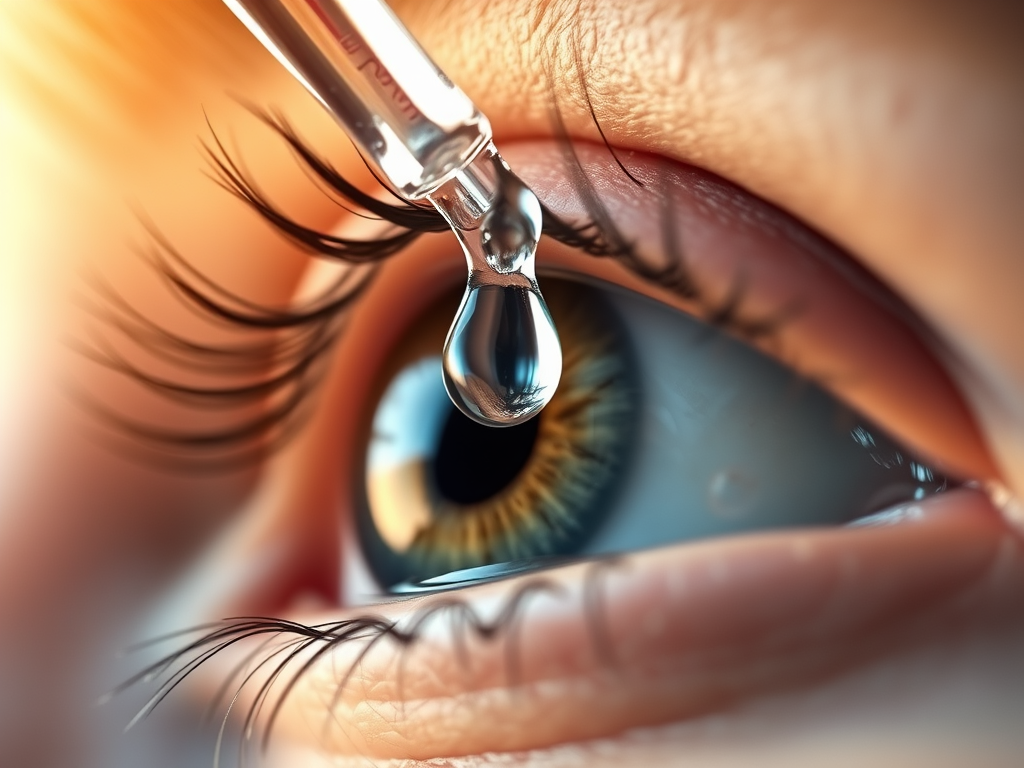
Eye drops don’t fix blocked glands. They simply add more fluid to an unstable tear film.
Why Eye Drops Fail
Artificial tears:
- Do not unblock oil glands
- Do not reduce chronic inflammation
- Do not restore natural tear quality
This is why symptoms return minutes or hours later—and why many patients feel frustrated after years of trying different drops.
What Actually Works
Modern dry eye treatment focuses on treating the root cause, not masking symptoms.
Effective care may include:
- Advanced diagnostics to identify gland dysfunction
- Medical-grade heat and expression therapies
- Light-based or radiofrequency treatments to reduce inflammation
- Customized at-home maintenance plans
When the oil glands are restored, tears stabilize—and symptoms finally improve.
Dry Eye Is a Medical Condition
Dry eye is not cosmetic. It’s not “just aging.” And it’s not something you have to live with.
With proper diagnosis and treatment, most patients experience long-term relief, improved vision, and better quality of life.
If your eyes itch, water, or burn—it’s time to look beyond drops.
Say goodbye to dry eye.