By OpticReview Editorial Team
Reviewed for educational accuracy by a licensed optometrist
The ocular surface plays a central role in eye comfort and visual stability, yet it is often overlooked in discussions about eye health. Medical literature describes the ocular surface as a complex system that includes the cornea, conjunctiva, tear film, eyelids, and associated glands. Together, these structures help protect the eye, maintain clear vision, and support daily visual function.
Understanding how the ocular surface works—and why tear health is essential—can help explain why symptoms such as irritation, dryness, or fluctuating vision are so commonly reported.
What Is the Ocular Surface?
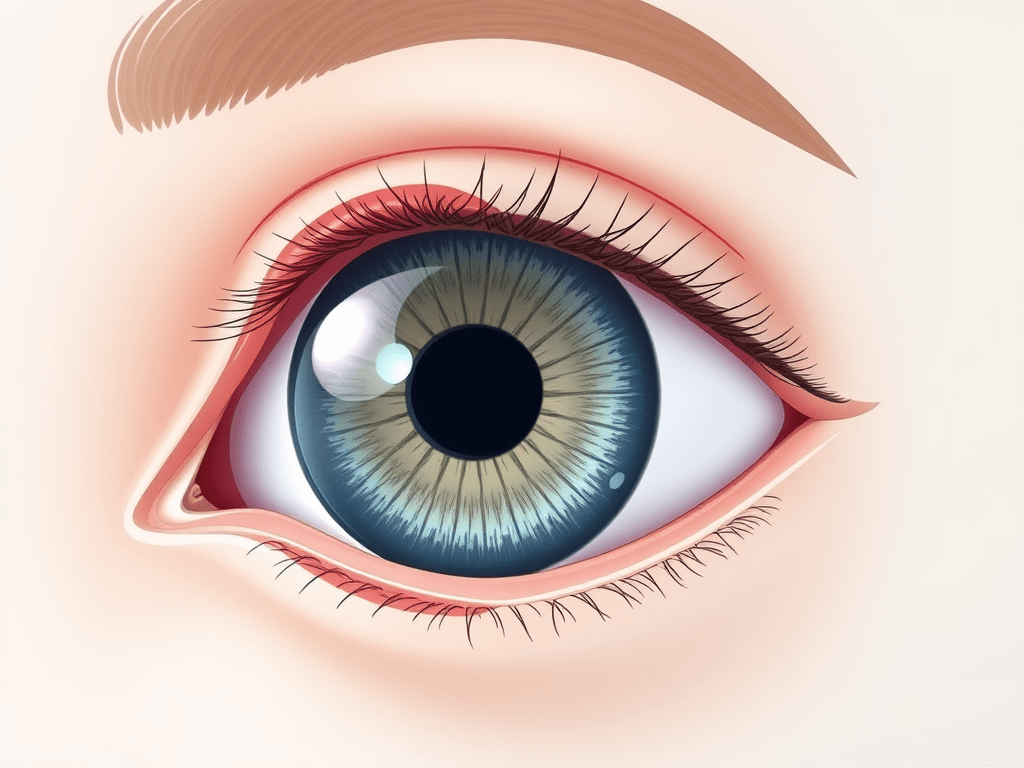
The ocular surface refers to the exposed tissues at the front of the eye that interact directly with the environment. This system is designed to remain smooth, hydrated, and protected despite constant exposure to air, blinking, and environmental factors.
Central to ocular surface health is the tear film, a thin layer of fluid that coats the eye with every blink. Research published in journals such as The Ocular Surface emphasizes that even small disruptions to this system may affect comfort and visual clarity.
The Role of the Tear Film
The tear film is commonly described as having three functional components:
- an outer lipid layer that slows evaporation,
- a middle aqueous layer that provides moisture and nutrients, and
- an inner mucin layer that helps tears spread evenly across the eye.
When these components work together effectively, the ocular surface remains stable. Research suggests that instability in any part of the tear film may contribute to symptoms often associated with dry eye disease.
Tear Film Instability and Ocular Surface Stress
Studies indicate that tear film instability can lead to increased friction during blinking and greater exposure of the ocular surface to environmental stress. Over time, this may contribute to irritation, inflammation, and changes in visual quality.
Medical literature frequently notes that tear film instability does not always present the same way in every individual. Some people report persistent discomfort, while others experience intermittent symptoms or visual fluctuation, highlighting the complexity of ocular surface health.
Meibomian Glands and Tear Evaporation
The meibomian glands, located along the eyelid margins, play a key role in regulating tear evaporation. When these glands do not function optimally, tears may evaporate more quickly than expected.
Research has increasingly focused on meibomian gland dysfunction as a common contributor to ocular surface imbalance. However, experts emphasize that this is typically one factor among many rather than a single explanation for symptoms.
Environmental and Lifestyle Influences
Environmental conditions such as low humidity, air conditioning, wind exposure, and prolonged screen use are commonly discussed in relation to ocular surface stress. These factors may reduce blink frequency or increase tear evaporation, placing additional demands on the tear film.
While these influences are often temporary, repeated or prolonged exposure may contribute to ongoing ocular surface instability in susceptible individuals.
Why Tear Health Is Often Overlooked
One reason tear health receives limited attention is that ocular surface symptoms can be subtle or fluctuate throughout the day. In addition, research shows that symptom severity does not always correlate directly with visible signs on examination, which can make the issue harder to recognize.
Advances in vision science over the past decade have expanded understanding of the ocular surface as a dynamic system rather than a passive layer, reshaping how researchers and clinicians think about eye comfort and visual stability.
What Research Continues to Explore
Current research in vision science is examining how inflammation, neurosensory pathways, and tear film dynamics interact at the ocular surface. Publications in Investigative Ophthalmology & Visual Science highlight that ongoing studies aim to clarify why symptoms vary widely and how long-term ocular surface health can be better understood.
Educational Perspective
From an educational standpoint, the ocular surface is best understood as a finely balanced system that supports both comfort and vision. Maintaining awareness of tear health and its role in ocular surface stability can provide valuable context for understanding common eye symptoms reported by the public.
Sources and References
- The Ocular Surface
- Investigative Ophthalmology & Visual Science
- Tear Film & Ocular Surface Society (TFOS) reports
Editorial Note
This article is provided for informational and educational purposes only and does not constitute medical advice.
 OpticReview
Leave a comment