By OpticReview Editorial Team
Reviewed for educational accuracy by a licensed optometrist
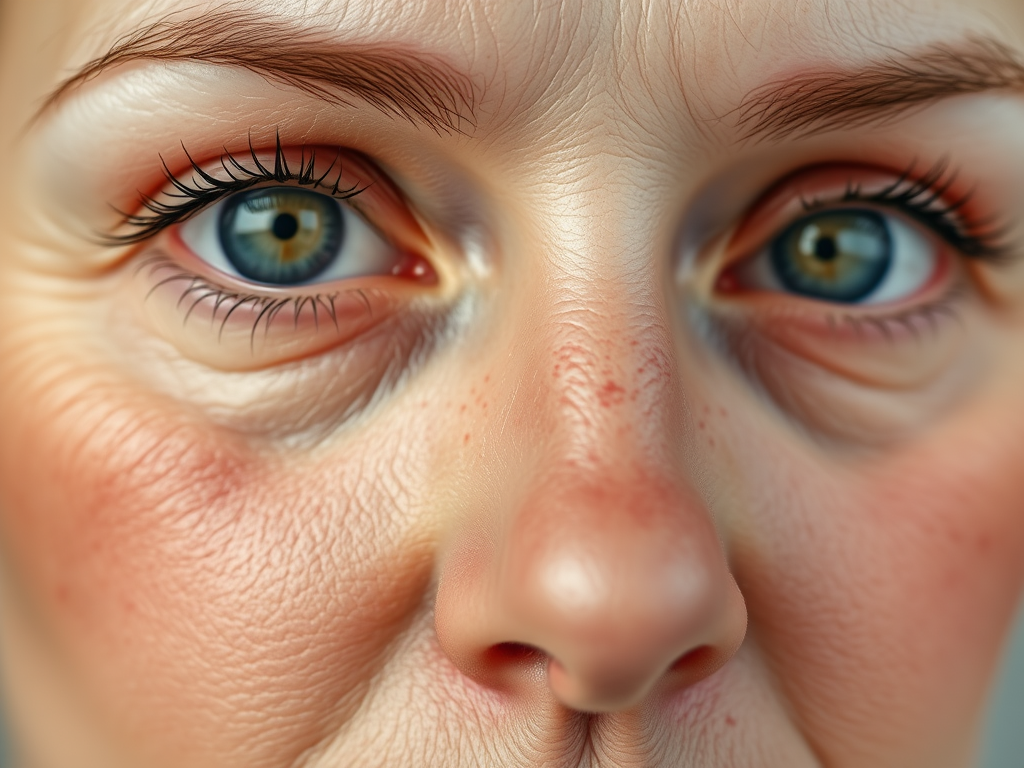
Aging affects the eye in multiple ways, influencing structures from the ocular surface to the retina. Research in vision science emphasizes that age-related changes do not occur uniformly, which helps explain why different eye conditions may develop independently or simultaneously.
This article provides an educational overview of how aging influences various parts of the eye and how these changes are discussed in medical literature.
Ocular Surface Changes
Studies note that tear composition and eyelid function may change with age, potentially affecting surface comfort.
Retinal Aging
Research also highlights age-related metabolic and cellular changes within the retina that may influence central vision over time.
Shared Biological Themes
Inflammation, oxidative stress, and reduced cellular resilience are commonly discussed factors across multiple age-related eye conditions.
Educational Perspective
Understanding age-related eye changes as system-wide processes helps contextualize why conditions such as dry eye disease and AMD are more frequently discussed later in life.